For Paver Patio, Walkway & Driveway Contractors
Keep the Crew on Big Patios Instead of Filling Weeks With Small Ones
Paver work is a volume business with wildly uneven margins.
A 900-square-foot patio with a sitting wall and a firepit pays for the month. Four small walkways with the same drive time and the same base prep barely cover it.
Start with the four figures that drive your schedule (see calculator below):
- What does your average install actually invoice at?
- What percentage survives base material, labor and equipment?
- How many installs would you like to add per month?
- Out of ten on-site estimates, how many turn into signed work?
Those four give us a defensible ceiling on what winning one install can cost.
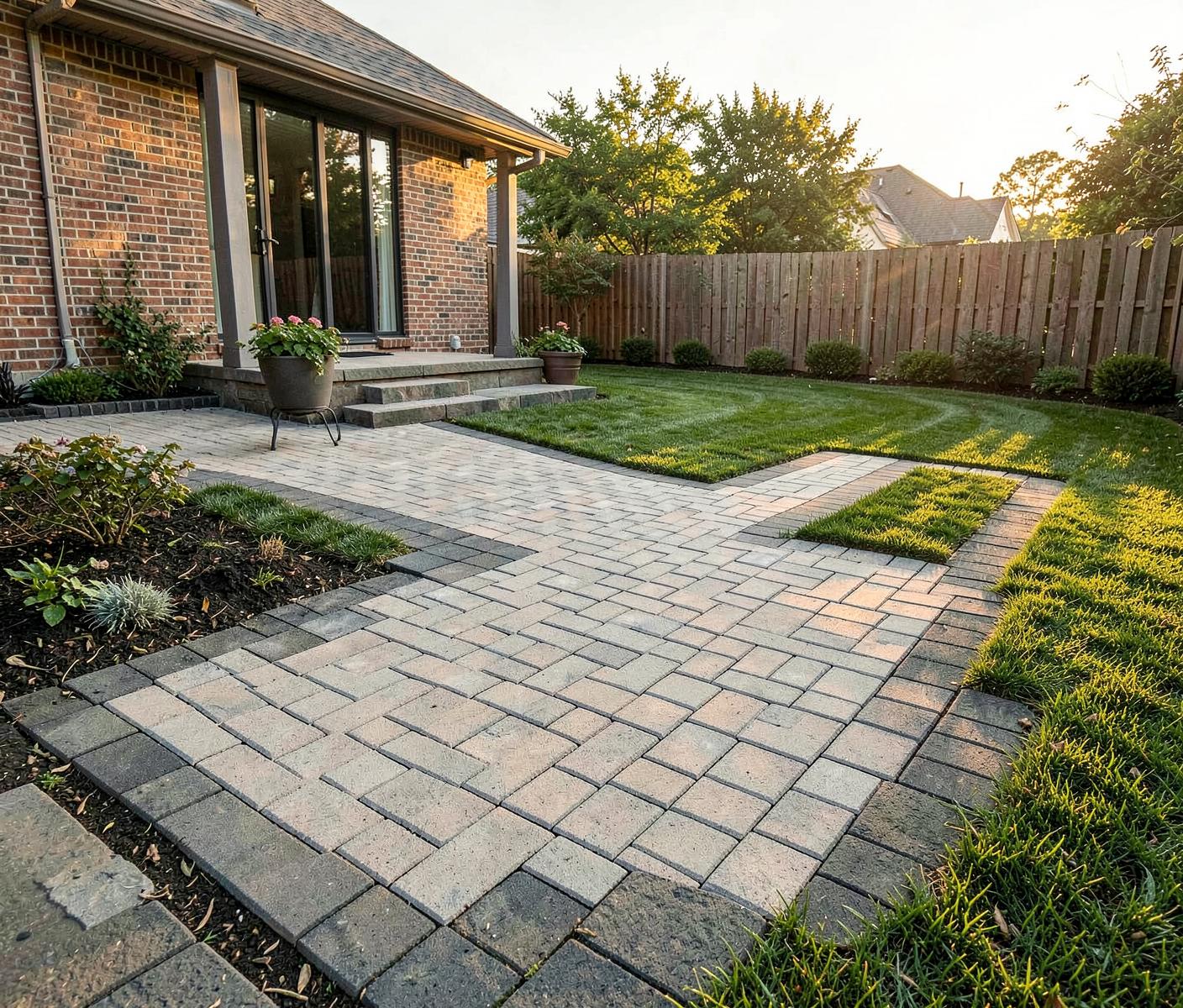
Completed Install
Paver patio - Border course - Walkway
The Squeeze
Booked Solid and Still Not Making Money
A full calendar is not the same as a profitable one. Plenty of paver companies run flat out all summer and finish the year wondering where it went.
Small jobs eat the same mobilization, the same excavation setup and the same crew day as large ones.
Homeowners request three estimates the same week, and the contractor who measures first is remembered.
And most of the spring rush is driven by requests you never traced to a source, so next spring you are guessing again.
Before you book another discount patio to keep the crew busy, price the alternative:
What is one more full-size install actually worth to you?
Install Math
What Can You Spend to Win One More Install?
Put in your real invoice average, your margin after base and labor, and your estimate-to-signed rate. You will see the profit in one install, the estimates it takes to get there, and how much acquisition cost the job can carry.
A rough figure is fine to start with.
Includes advertising and marketing costs. Your actual plan will use your market and service mix.
One install
$12,000
Approx. gross profit on one install
$5,400
Added sales per month
$48,000
4 more installs a month
Serious prospects needed
About 14
every month
Monthly spend to win 4 installs
$6,000
Gross profit left after that spend
About $15,600
Planning math only - not a promise. Your market, pricing, competition, lead quality and sales process all move these figures.
Acquisition cost against install profit
| Spend per install won | Monthly spend for 4 installs | Gross profit left |
|---|---|---|
| $500 | $2,000 | $19,600 |
| $1,000 | $4,000 | $17,600 |
| $1,500 | $6,000 | $15,600 |
| $2,500 | $10,000 | $11,600 |
Now Let's Find Where the Bigger Installs Are Hiding
The Number That Matters
Chasing Cheap Leads Is How Crews End Up on Cheap Jobs
Low-cost inquiries skew small. Repair requests, 200-square-foot walkways, and homeowners who want a number over the phone.
A pricier inquiry from a homeowner planning a full backyard patio can be worth ten of them.
Judging channels by lead price quietly pushes your crew toward the least profitable work you do.
Measure cost per signed install, weighted by install size.
We start from the install you want more of, then buy attention that produces that install.
The Work Itself
Three Levers on Paver Volume and Job Size
Be Found for the Big Jobs
Search intent tells you a lot about job size. Someone typing "paver patio contractor" is not the same prospect as someone typing "fix sunken pavers."
This can include
- Separate pages for patios, walkways and driveways
- Keyword targeting weighted toward larger projects
- Google Maps presence in the neighborhoods you want
- Search ads with negatives that block repair work
- Town-level pages across your drive radius
- Seasonal pacing ahead of the spring surge
Win the Estimate Before You Arrive
Homeowners decide who they trust from the gallery and the reviews, then confirm it at the estimate.
This can include
- Project galleries sorted by size and paver style
- Square-footage ranges to pre-qualify inquiries
- Before-and-after grade and drainage work
- Recent, specific Google reviews
- Simple estimate-request form with a photo upload
- Tracking on every call and form
Handle Inquiries Like the Crew Handles Base
In paver work, the estimate is usually won by whoever schedules the site visit first.
This can include
- Missed-call text-back while crews are laying
- Same-day estimate scheduling
- Automatic reminders before the site visit
- Follow-up on estimates that went quiet
- CRM stages from request to signed install
- Reactivation of last season's unsold estimates
Free Growth Analysis
Twenty Minutes on Your Install Mix and Margin
Step 1
What Your Installs Really Pay
- Invoice average by project type
- Margin after base, labor and haul-off
- Mix of large versus small jobs
- Installs per crew week
- Estimate-to-signed rate
- Weeks of backlog you carry
Step 2
Where Requests Are Coming From
- Sources of last season's estimates
- Visibility for patio versus repair searches
- How fast estimate requests get scheduled
- What your gallery communicates about job size
- Review volume against local competitors
- Requests arriving outside your drive radius
Step 3
What Is Costing You Margin
- Small jobs absorbing crew days
- Estimates that were never followed up
- Spend attracting repair inquiries
- Drive time to towns that rarely sign
- Off-season gaps in the pipeline
- Untracked phone volume
Step 4
What You Get Out of It
A written picture of your install mix, where the margin is going, and what changing it would cost against your own numbers.
The recommendations are separable, and we will label them plainly:
- Free or cheap fixes to make immediately
- Work that only pays above a certain install size
- One-season tests worth running
- Spending we would advise against
The analysis is yours regardless of what you decide afterward.
Illustrative Model
A Season Modeled Around Bigger Installs
Four extra $12,000 installs a month is a very different plan than a dozen small walkways.
Modeling the target first is what keeps the plan from turning into a generic ad budget.
This is the calculator's arithmetic carried across twelve months.
Modeled Target
4 Additional Installs / Month
Modeled at a $12,000 average install invoice
- Additional installs over 12 months
- 48
- Invoice value of those installs
- $576,000
- Gross profit at a 45% margin
- $259,200
- On-site estimates required at 3-in-10
- 160
- Acquisition budget at $1,500 per install
- $72,000
- Gross profit remaining after acquisition
- $187,200
Illustration built from the inputs above. Not a projection of your results, revenue, lead volume or job volume.
Measurement
See Install Size, Not Just Install Count
Every month, in plain numbers:
- Estimate requests received
- Requests inside your target size range
- On-site estimates performed
- Installs signed
- Average signed install size
- The channel behind each signed job
Requests
46
In Target Range
22
Estimates Given
16
Installs Signed
5
Signed Value
$60,000
Avg. Install
$12,000
Stage By Stage
- Requests46
- In range22
- Estimates16
- Signed5
Source Of The Work
- Organic search31%
- Google Maps27%
- Search ads22%
- Neighbor referral14%
- Repeat client6%
Illustrative layout only - these are not client results. Reporting detail depends on what is tracked and which channels the plan includes.
Other Trades We Work With
Building more than one type of project? These pages run the same numbers with different job values and sales cycles.
Sequence
What the First Twelve Months Tend to Look Like
Weeks 1-2
Get tracking on calls, forms and signed install values so decisions stop being anecdotal.
Weeks 3-6
Tighten estimate scheduling and add follow-up on quotes that stall.
Months 2-5
Build visibility on patio-intent searches and filter out repair traffic.
Months 5-12
Move budget toward whatever is producing large signed installs.
Scheduling and follow-up changes can land inside a few weeks. Ranking for competitive patio terms is slower, and spring demand distorts everything. Over a twelve-month plan the target install count usually comes into view around months three to five - a pattern we see, not a commitment. No timelines or job counts are promised.
Two Fair Questions
Why Now, and How Big a Commitment Is This?
Both questions come up constantly on paver calls, so here is where we stand.
Why Not Wait Until Spring?
Because spring is when you pay the most and have the least time to fix anything.
Homeowners start researching patios well before they call. Visibility and reviews built in the slow months are what capture that research.
Waiting means competing for the same clicks at peak prices with the same gaps you had last year.
The slow months are the cheap months to fix the pipeline.
Can I Start With One Piece?
Yes. Nothing here is all-or-nothing.
We will model the outcome of a single change on its own - faster estimate scheduling, or one channel - so you can see the dollars before you commit.
If only one line item clears the bar, do that one line item. Always factor in the cost of lost revenue if your plan lets a deal slip through your fingers.
A complete plan does not require a complete purchase.
FAQ
Straight Answers Before You Book
Bring last season's invoice average and your close rate. That is enough to run the numbers together.
Yes. We can position the site and campaigns around larger installation categories and qualify inquiries before they consume estimating time.

Next Step
What Would One More Full-Size Patio a Month Do to Your Year?
Run it through the calculator, then let's look at where those installs would come from.
We will go through your install mix, your response times and the sources behind last season's signed work.
A clear read on where your margin is going
Budget sized to your install value, not a package price
Filtering built to raise average job size
Start with a single change if that is what fits
Free, about 25 minutes, nothing to buy at the end.